

Ceramics as tangible remembrances
Centering my practice on the concept of "Memory Containers," I create artwork primarily through the exploration of ceramic materials, their materiality, and the processes derived from these ideas. Originating in ancient times to hold physical goods, ceramics has a long history as a spiritual "container"—a vessel to encapsulate and visualize the invisible, such as prayers and beliefs. This is seen not only in utilitarian jars for water and grain, but also in the Dogu clay figurines of the Jomon period, Egyptian faience funerary goods, and the Hunping (soul vases) of the Tang dynasty. Reflecting on this intrinsic materiality of clay, along with the permanence of shaped and fired earth, I find ceramics to be the most fitting medium to give form to vessels for Omoide.
The genesis of this concept was a deeply personal fear of losing precious memories while we are still alive—an emotion triggered by witnessing my grandmother and mother navigate dementia. However, through the actual practice of making, I have found that the creative process inherently sublimates a multitude of emotions, bringing order and serenity to my mind, even if that was not the original intent.
Most of my works are created by firing stones and ceramic materials to fuse them into a single entity. Even an ordinary pebble embodies hundreds of millions of years of history. Over that vast expanse of time, a human life is but a fleeting moment, and these stones have quietly observed it all. In this sense, a stone is a living witness to our ephemeral memories. Although my father has passed away, the stones in the local park where he used to take me on weekends as a child remain today—perhaps as silent eyewitnesses to my past. Realizing this, I began collecting stones from places filled with personal memories, wrapping them in layers of stories expressed through ceramic materials. I compose the core stones to match the narrative, varying the materials to suit the specific memory I wish to preserve—using colored porcelain, slips from various clays, raw glazes, or even fallen leaves gathered from the site. Firing these elements together at a high temperature of 1250°C fuses the stone and the ceramic material, both of mineral origin. This process unifies the objective place and subjective time, culminating in a finished vessel that encapsulates memory. As the ceramic material shrinks during drying and firing, it cracks to partially expose the layered narrative and the core stone. Influenced by its own weight and the intense heat of the kiln, the piece warps and slumps into a new form. This transformation symbolizes that no memory remains perfectly intact; instead, it exists in our minds as an imperfect beauty.
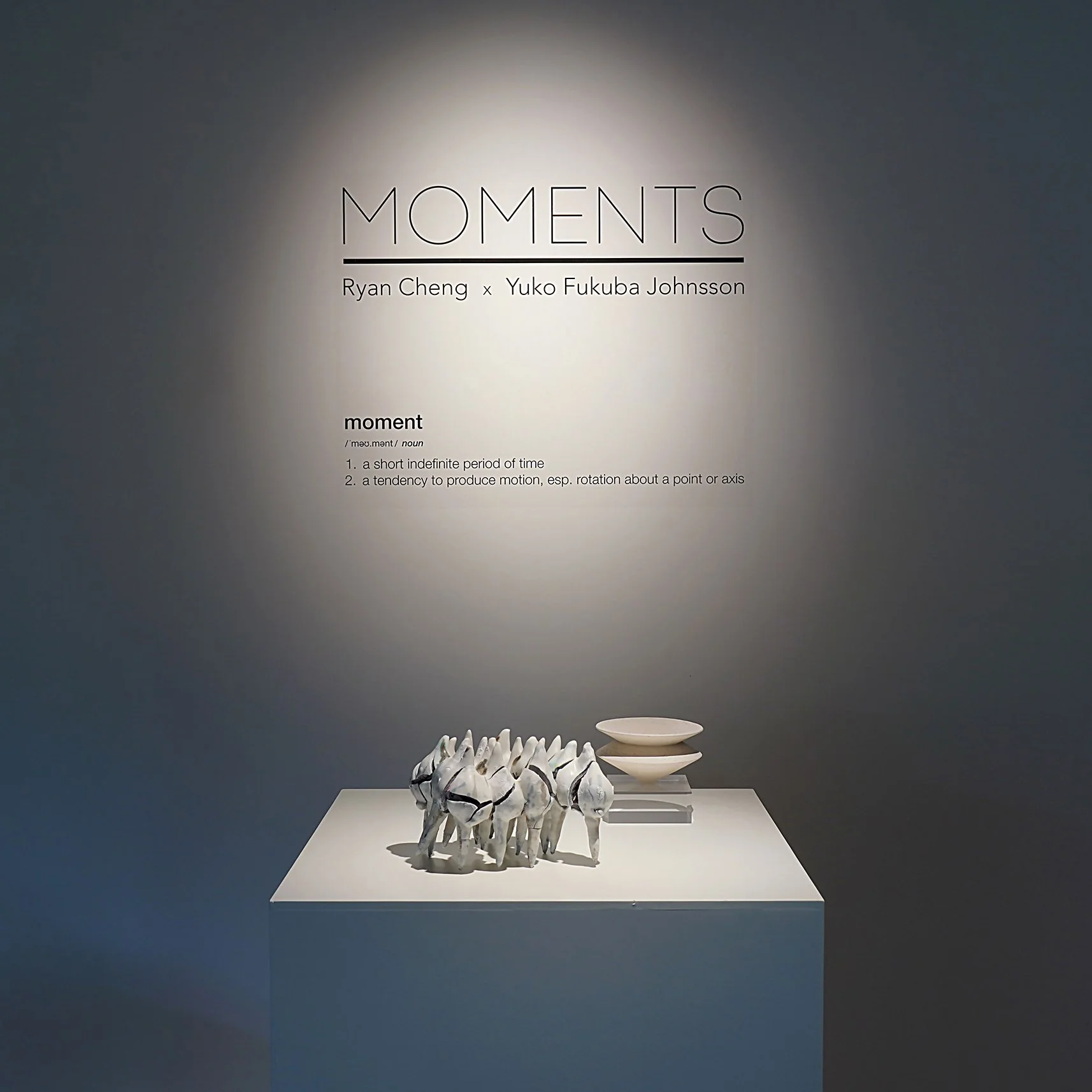
Moments (Two People Exhibition) | 2025-26
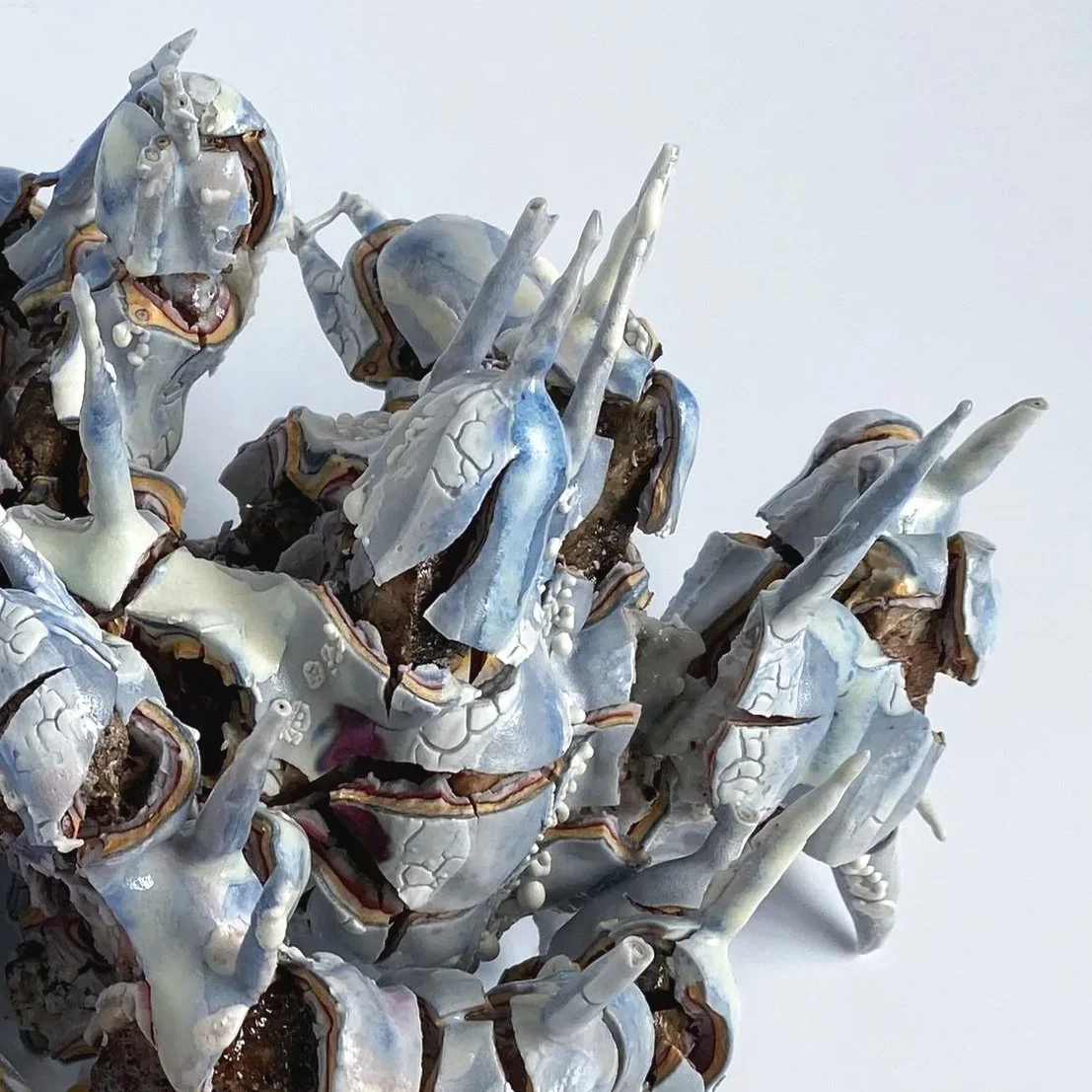
渦波 Uzunami | 2025
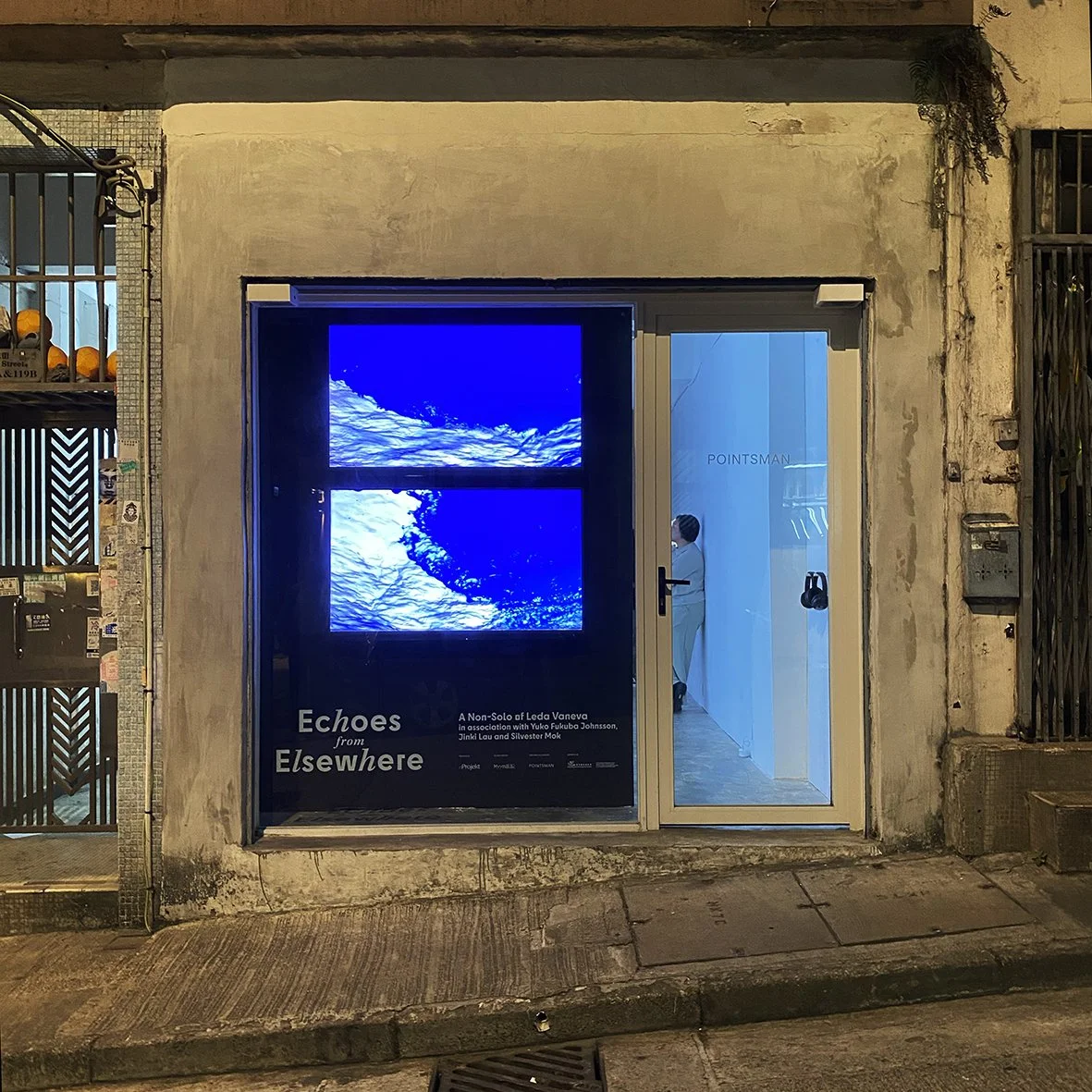
Non Solo - Echoes from Elsewhere | 2025
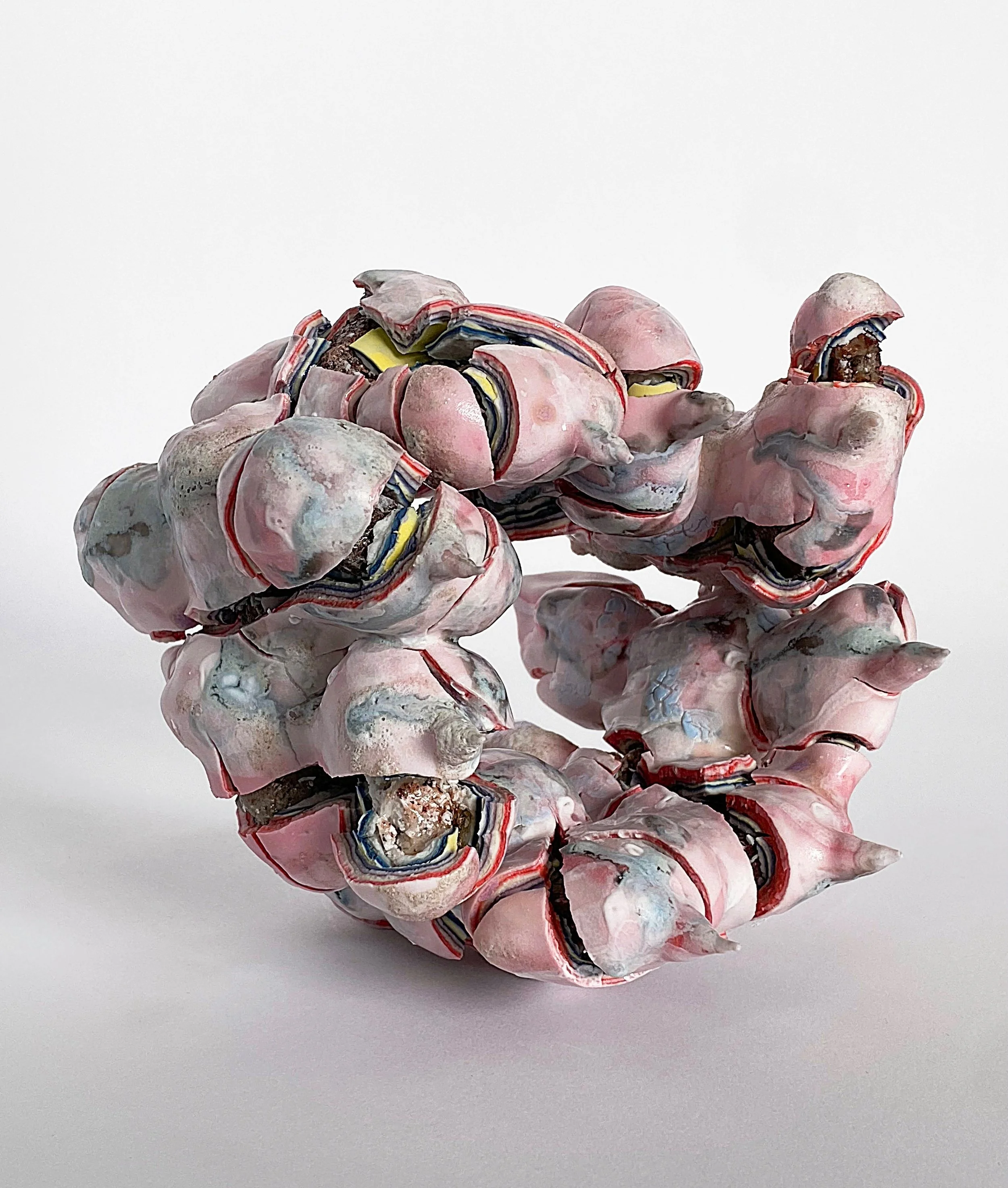
渦波 Vortical Flow (Ap Lei Chau, May 2025)
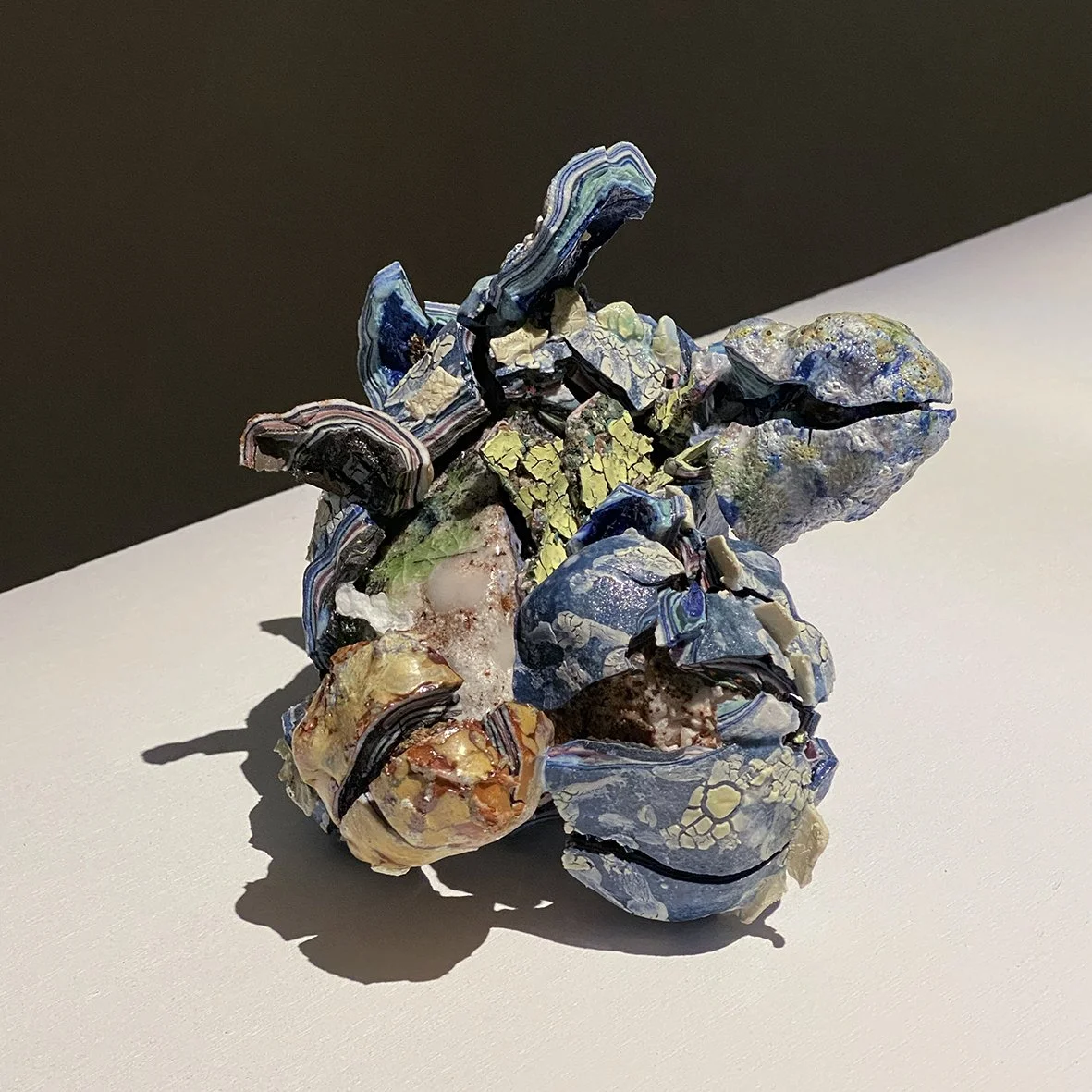
Memories as images that continue to grow alongside oneself | 2025 -
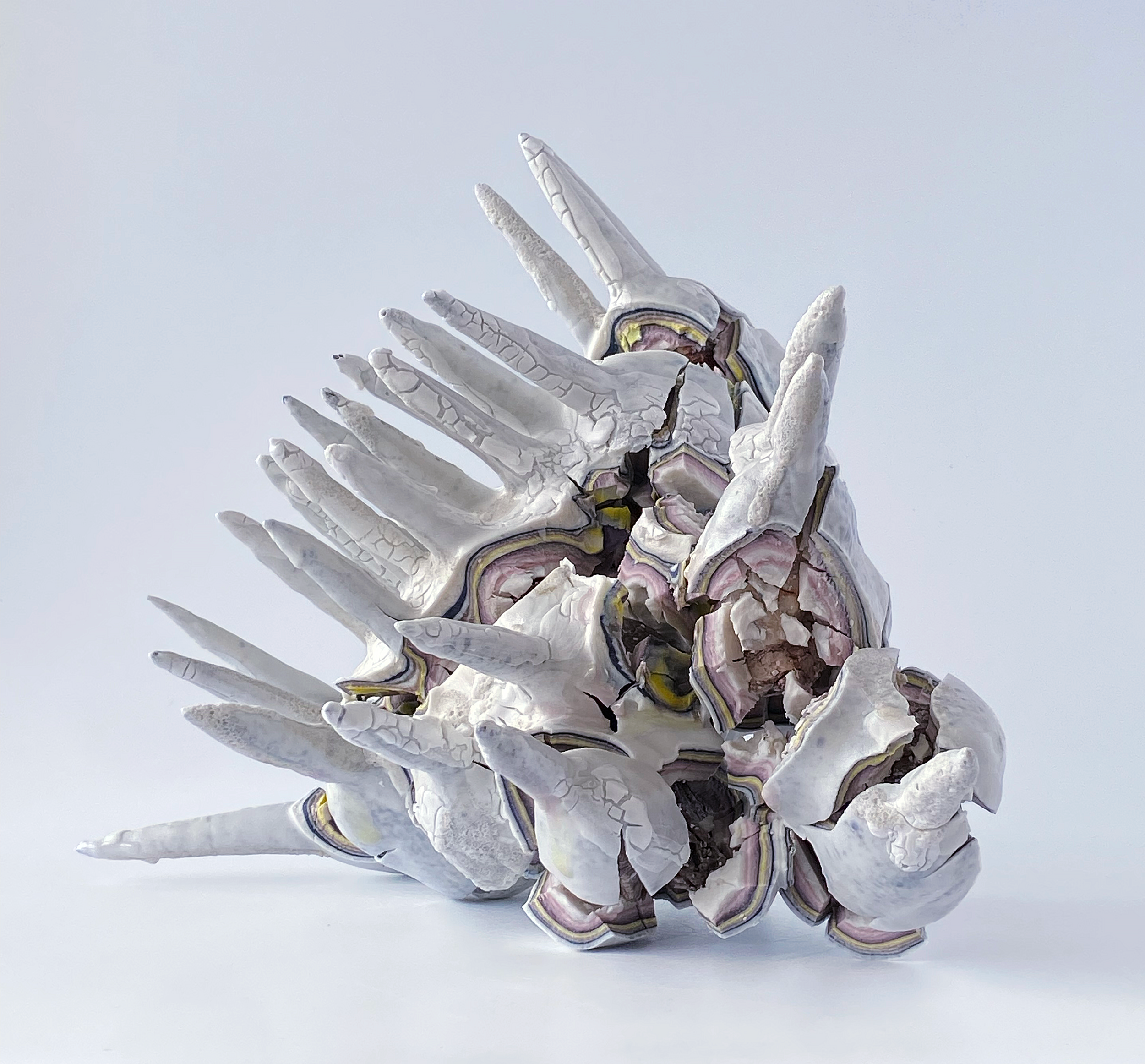
打波 Brisk Break (Ap Lei Chau, March 2025)
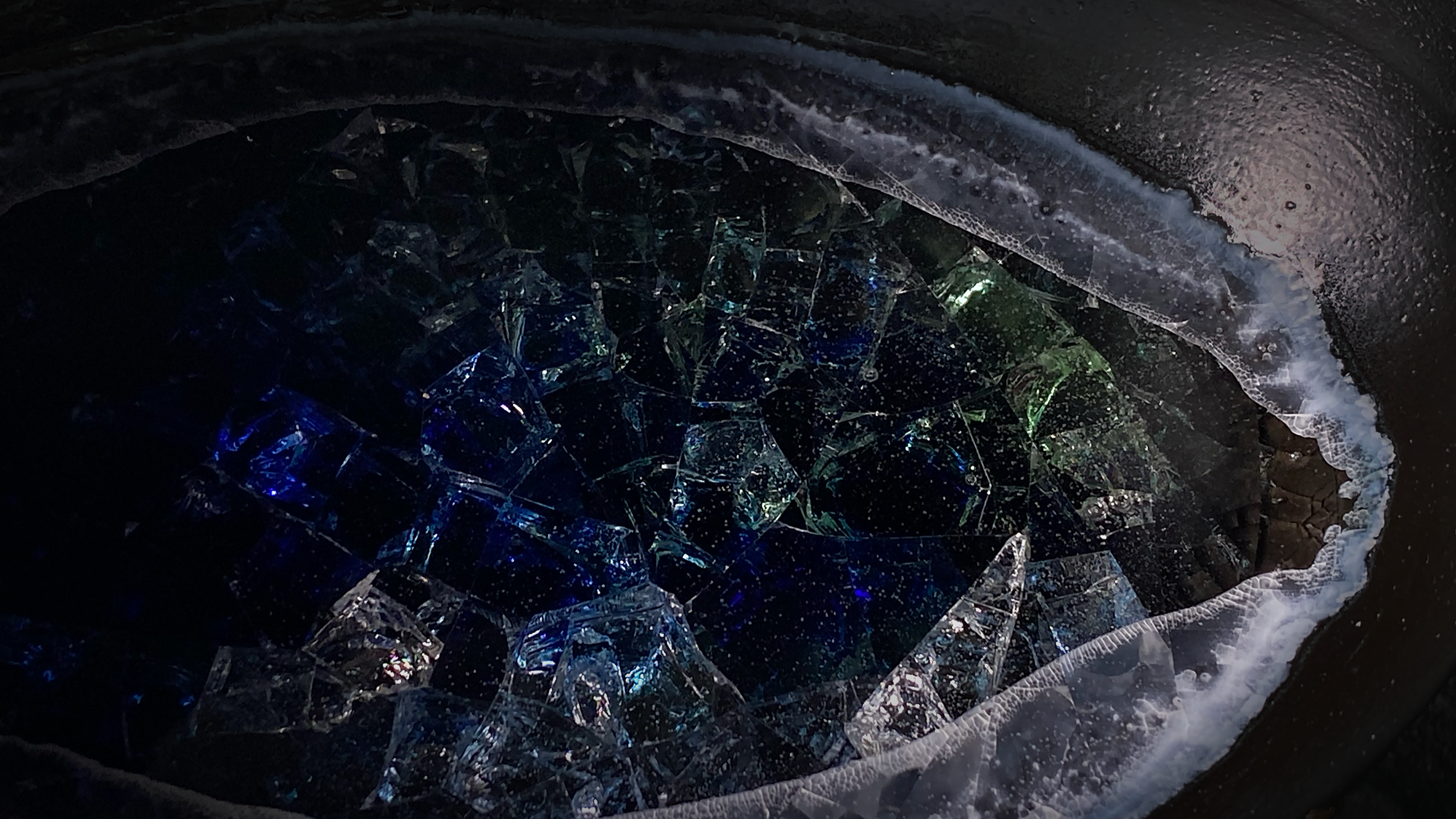
Faded Recollections of Bohuslän | 2025

The Cabinet of Curiosities (Group Exhibition) | 2025

Ap Lei Chau No. 1 (Sazanami) | 2025

The Seventh Heterotopias | 2024 - On-going

Heterotopic Memories | 2023

Memory Safe | 2022

Remain of Turmoil | 2022
